by Admin | Sep 25, 2017 | Uncategorized
Trees in Autumn
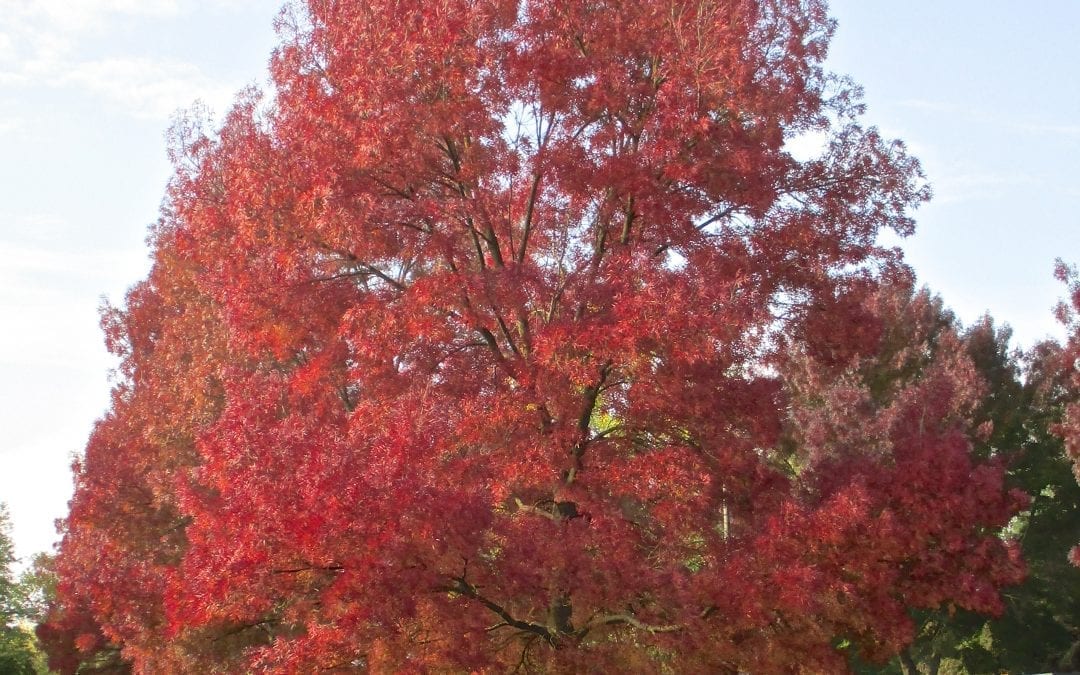
Here are four trees with spectacular autumn colouring. To find out more about why trees change colour in autumn click HERE
The Claret Ash is now very common in parks and on streets, where it is planted for its spectacular autumn display, produced when its green leaves turn red or purple (claret). It is a cultivated variety of one of the natural forms of Narrow-leaved Ash with the scientific name oxycarpa. The cultivated variety was discovered as a seedling in South Australia in 1910 at a property called Raywood and introduced to Britain in the mid 1920s.
The Norway Maple is native to Europe, from Scandinavia to the Caucasus. It was introduced to Britain in 1683 and is now commonly found in gardens, streets and parks. It is one of the first trees to look green in spring, when its green flowers open before the leaves. It has the 5-lobed leaf typical of the Maple family but differs from the Field Maple and Sycamore in that its lobes and teeth have finely pointed tips. It has a winged fruit like all maples but the wings hang down at an angle whereas on the Field Maple they are flat.
The Japanese Maple, also known as the Smooth Japanese Maple, is a shrub or tree native to Japan, China and Korea. It was introduced to Britain in 1820. Typically in Japanese gardens it was a small dome-shaped tree that gave shade but over the centuries many varieties were developed with different leaf shapes and colours. Today it is one of the commonest garden trees, usually in its slow-growing small tree form.
The Sweet Gum is a deciduous tree native to Southeastern USA and the cloud-forest mountains of Mexico and Central America. It was introduced to Britain in 1681. It is an ornamental tree planted in many parks and gardens in warmer areas. It has crimson autumn foliage and unusual fruit, similar to that of the London Plane. In its native habitat the tree was grown commercially for its aromatic gum, originally known as ‘liquid amber’, hence its scientific name. The tree is a member of the Witch-hazel family, which includes the Persian Ironwood.
by Admin | Sep 18, 2017 | Uncategorized
My book was launched in mid September by Reed New Holland Publishers. The title is Field Guide to The Trees of Britain and Europe, the author is Alan Birkett and the ISBN is 9781921517839. The book is available on-line from Waterstones or Amazon UK or from any bookseller quoting the ISBN above.
by Admin | May 24, 2017 | Uncategorized
Here is the cover of my new book, now titled Field Guide to the Trees of Britain and Europe.
It will be published in mid July.
by Admin | Apr 1, 2016 | Uncategorized
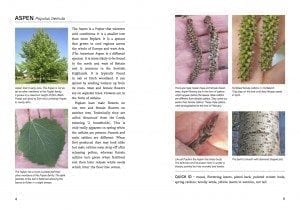
Just delivered the text and images to the publishers New Holland in London for a book with the working title Field Guide to British Trees, which will be published in spring 2017. It is based on the Tree Guide UK apps and includes over 1000 images and 47000 words of text! The paperback book will cover 150 tree species. Each species will be shown on 2 facing pages as shown in the example below. The Guide includes an Introduction, Glossary and Key. The format will be 210mm x 150mm and the book will describe key identification features for the species which have been selected because they are either common or interesting.
by Admin | Jun 30, 2014 | Uncategorized
A new edition of the Tree Guide UK app is in the Apple Store now. The Premium edition contains comprehensive and fully illustrated information on 215 trees. This edition includes the more common trees found in the Standard Edition but adds 104 trees that are less common but are often be seen in Gardens, Parks and Tree Collections. You can still download the The Standard edition, which includes information on 111 common trees, if you prefer. The new trees include exotic trees such as Magnolias and many ornamental trees such as Flowering Cherries, Birches, Maples, Limes, Cypresses and Junipers. Where garden varieties of these trees are available they are listed. This guide will be of interest to gardeners who wish to know more about the trees in their own gardens or those they come across in Botanical Gardens, Country House Gardens, Town Gardens, Churchyards or Parks.
by Admin | Mar 27, 2014 | Uncategorized
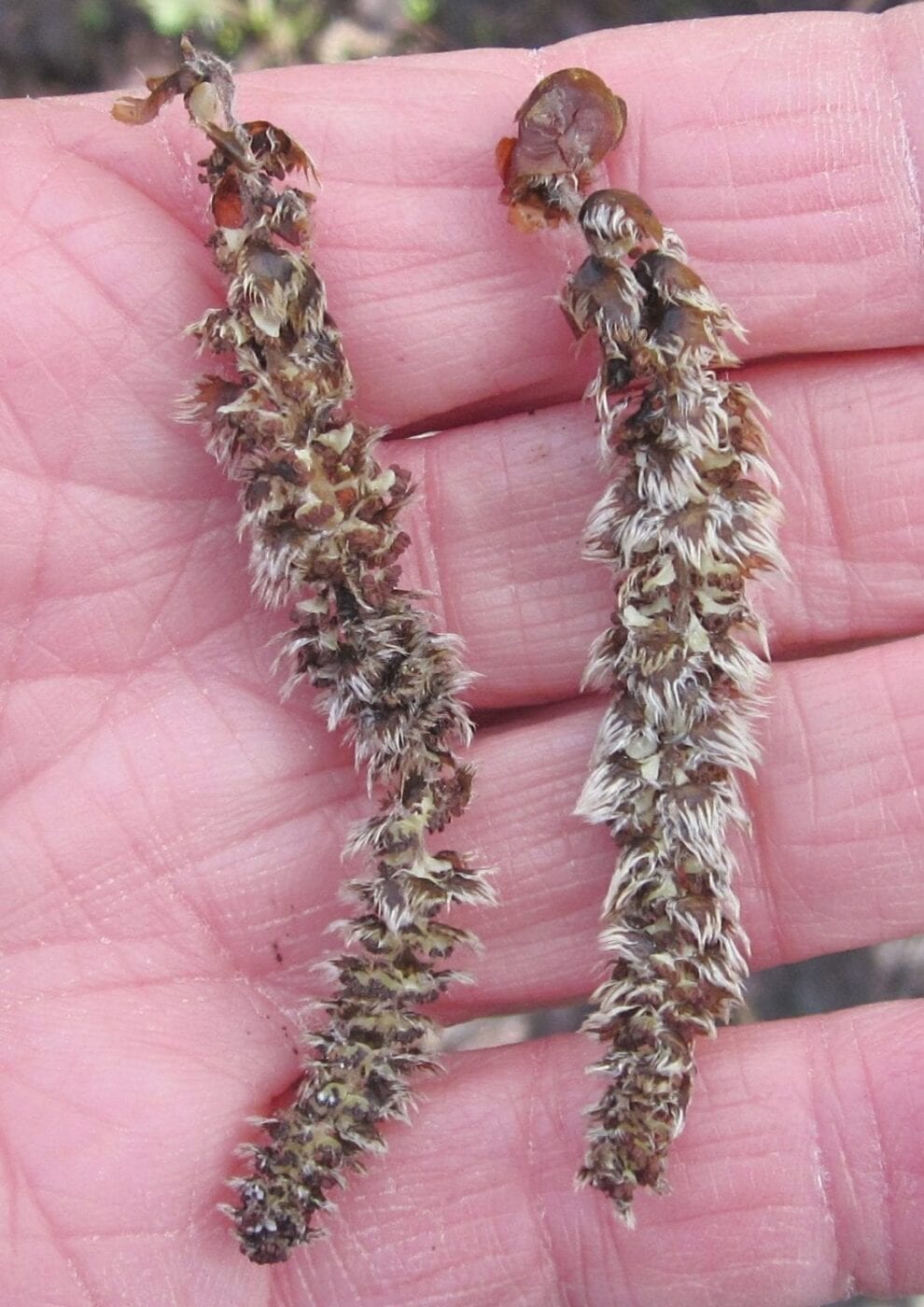
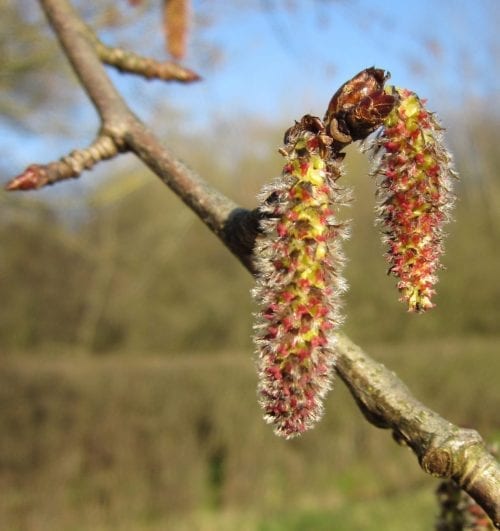
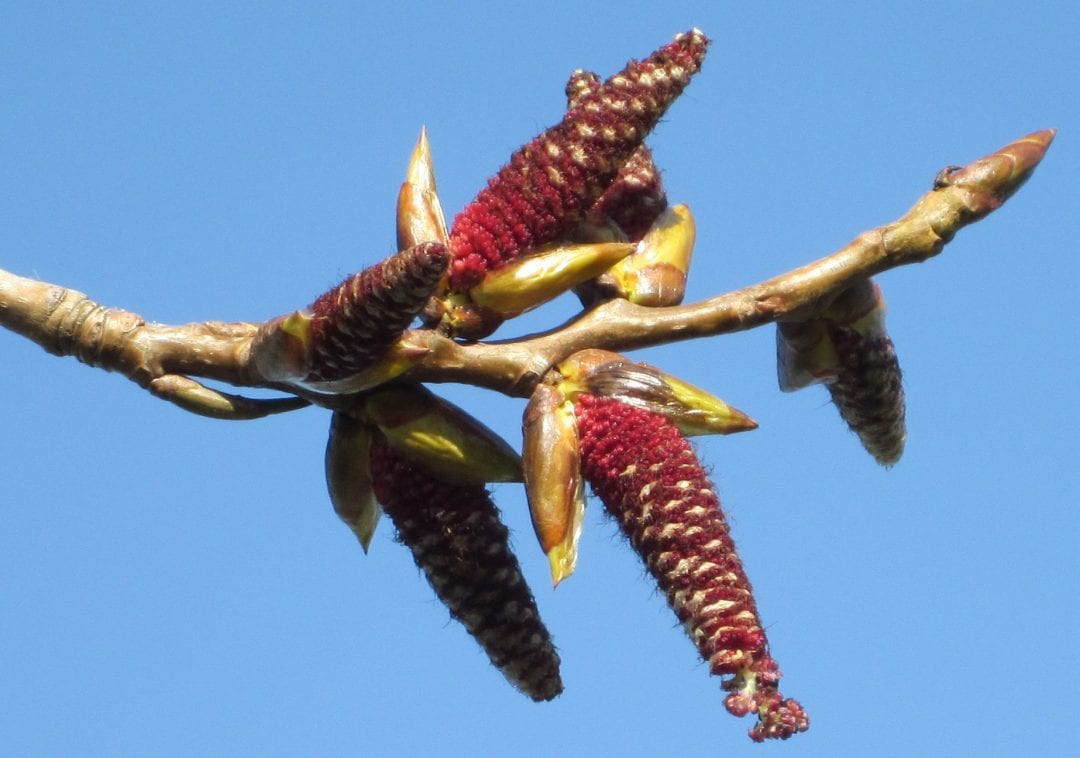
In February, March and April Aspen and Poplar catkins start to appear. These trees have male and female catkins on different trees. Male catkins release pollen and female catkins produce the white fluffy seeds that carpet the floor in April and May. All the photos in this blog are taken from the Tree Guide UK app.
These are male catkins of the Aspen (Populus tremens) photographed in early March.
These are the male catkins of the Wild Black Poplar, photographed in mid April.
These are female catkins of the Aspen (Populus tremens) photographed in early March.
These are the male catkins of the Hybrid Black Poplar, photographed in March.
These are the female catkins of a Hybrid Black Poplar about to shed seeds in May